
As I stood in my kitchen, the sizzling sound of vegetables meeting the hot pan instantly lifted my spirit. Nothing beats the charm of healthy sautéed vegetables when it comes to breathing life into a meal, whether it’s a casual dinner or an impressive feast. This quick and colorful sautéed vegetable recipe is my go-to for busy weeknights—it’s not just easy to whip up, but also a delightful way to transform humble veggies into a vibrant, aromatic dish. Packed with nutrients and versatility, it pairs beautifully with anything from grilled chicken to your favorite grains. Plus, you can effortlessly customize the flavors with various spices or sauces to suit your taste buds. With options like Garlic-Parmesan or Asian-inspired twists, the possibilities are endless! Are you ready to dive into a world of colorful crunchiness that elevates every bite? Let’s get cooking!
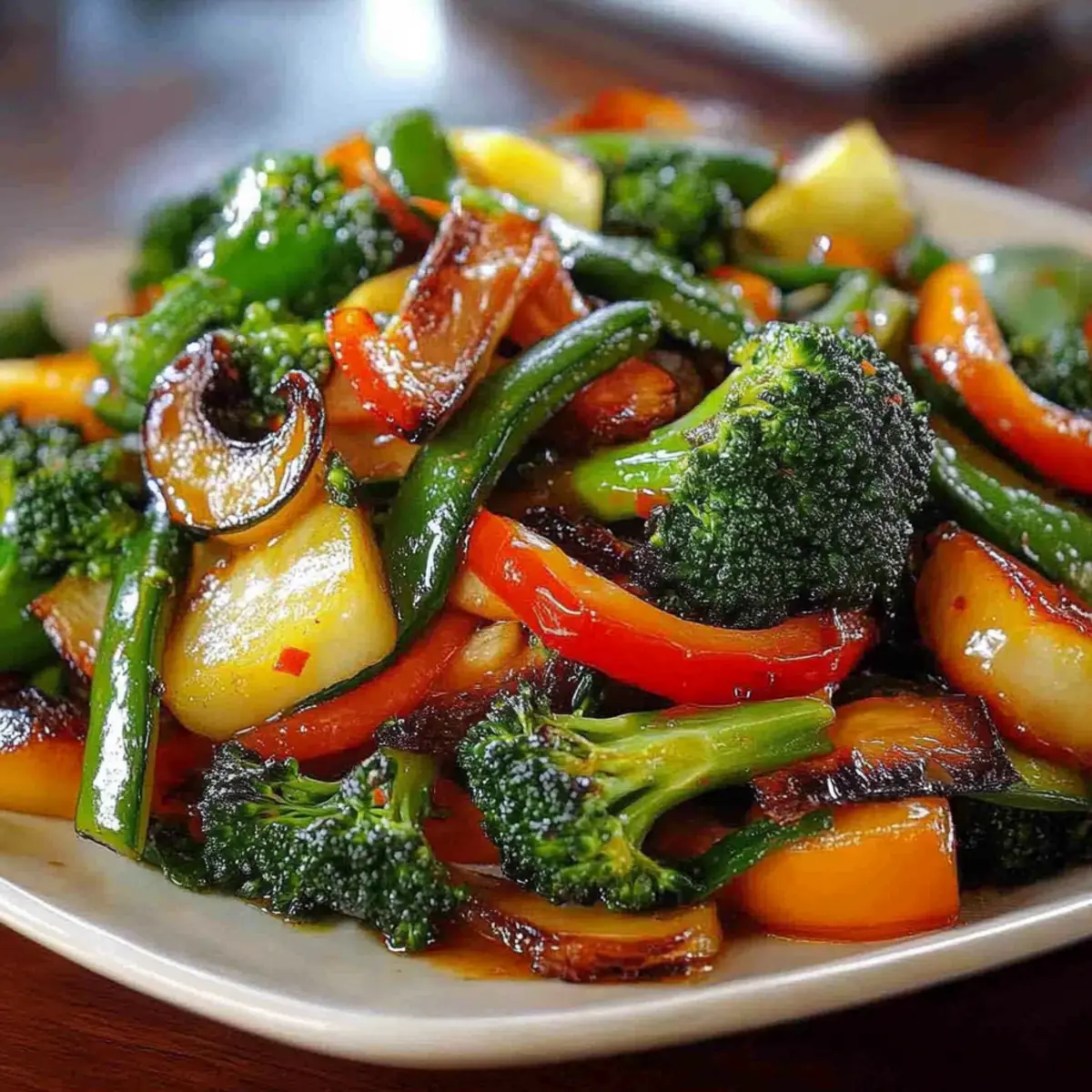
Why Choose Healthy Sautéed Vegetables?
Quick and Easy: This recipe is a breeze to prepare, making it ideal for busy weeknights when time is short.
Colorful and Inviting: A vibrant medley of vegetables not only pleases the eyes but also adds a burst of nutrition to your meal.
Versatile Dish: Whether served as a side or the main attraction, these sautéed veggies pair beautifully with grilled chicken, tofu, or grains like quinoa.
Flavorful Customization: With options like a Garlic-Parmesan enhancement or an Asian twist, it’s easy to cater to your cravings. Explore even more delicious variations you might enjoy, like the classic Chocolate Chip Cookies.
Meal Prep Friendly: Prep your ingredients ahead of time for a quick grab-and-go meal. Store leftovers for next-day deliciousness!
Healthy Sautéed Vegetables Ingredients
• Create your colorful dish with these fresh ingredients!
For the Base
- Olive Oil – Cooking medium enhancing flavor; substitute with avocado oil or butter if desired.
- Garlic (2 cloves, minced) – Aromatic base that adds depth; shallots work for a milder taste.
- Onion (1 small, thinly sliced) – Adds sweetness and aroma; red onions can be a suitable substitute.
For the Veggie Medley
- Bell Pepper (1, sliced) – Offers sweetness and crunch; swap with any sweet pepper variety for flexibility.
- Zucchini (1, sliced into half-moons) – Provides soft texture and moisture; yellow squash is a great alternative.
- Broccoli (1 cup florets) – Adds nutrients and crunch; cauliflower works well in its place.
- Carrot (1 medium, julienned or thinly sliced) – Naturally sweet and colorful; parsnips can be a variation.
- Snap Peas (½ cup) – Crisp texture that brightens the dish; green beans can replace snap peas.
- Mushrooms (½ cup, sliced) – Brings umami flavor and a soft texture; any variety is suitable.
Seasoning and Extras
- Salt & Black Pepper – Basic seasoning to enhance flavor; adjust to taste.
- Lemon Juice (1 tsp, optional) – Brightens flavors; balsamic vinegar or soy sauce can serve as a substitute.
- Optional Toppings – Toasted nuts or seeds, fresh herbs, and grated Parmesan for added texture and flavor; these can elevate your healthy sautéed vegetables!
Step‑by‑Step Instructions for Healthy Sautéed Vegetables
Step 1: Prep Vegetables
Begin by washing and prepping your vegetables. Peel if necessary and chop all ingredients into uniform sizes—this ensures even cooking and adds visual appeal. Aim for bite-sized pieces to create a colorful medley. Set aside your chopped vegetables, ready to be transformed into a vibrant dish.
Step 2: Heat Oil
Place a large skillet over medium-high heat and add 1-2 tablespoons of olive oil. Allow the oil to heat until shimmering, about 1-2 minutes. This step is crucial for enhancing the flavors of the healthy sautéed vegetables, providing the perfect base for sautéing without burning.
Step 3: Cook Aromatics
Once the oil is hot, add the minced garlic and sliced onion to the skillet. Sauté for 1-2 minutes, stirring frequently, until the onions become translucent and fragrant. This aromatic base will infuse the rest of your vegetables with delicious flavor, setting the stage for a mouthwatering stir-fry.
Step 4: Add Harder Vegetables
Introduce the carrots and broccoli to the skillet, stirring well to combine. Cook these harder vegetables for 3-4 minutes, allowing them to soften slightly while maintaining their bright color. Keep stirring to prevent any sticking or burning, ensuring the beginning layers of your healthy sautéed vegetables cook perfectly.
Step 5: Add Softer Vegetables
Now, it’s time to mix in the bell peppers, zucchini, mushrooms, and snap peas. Sauté everything together for 4-5 minutes, stirring gently until all the vegetables are crisp-tender and vibrant. The colors should be stunning, and the aroma will fill your kitchen—this is a crucial step in enhancing the dish’s complexity.
Step 6: Season & Serve
Finally, season your healthy sautéed vegetables with salt, black pepper, and a splash of lemon juice for freshness. Toss everything together well, allowing the flavors to meld beautifully. Serve immediately while hot, garnished with your choice of toasted nuts, seeds, or fresh herbs for an added layer of flavor and texture.
Make Ahead Options
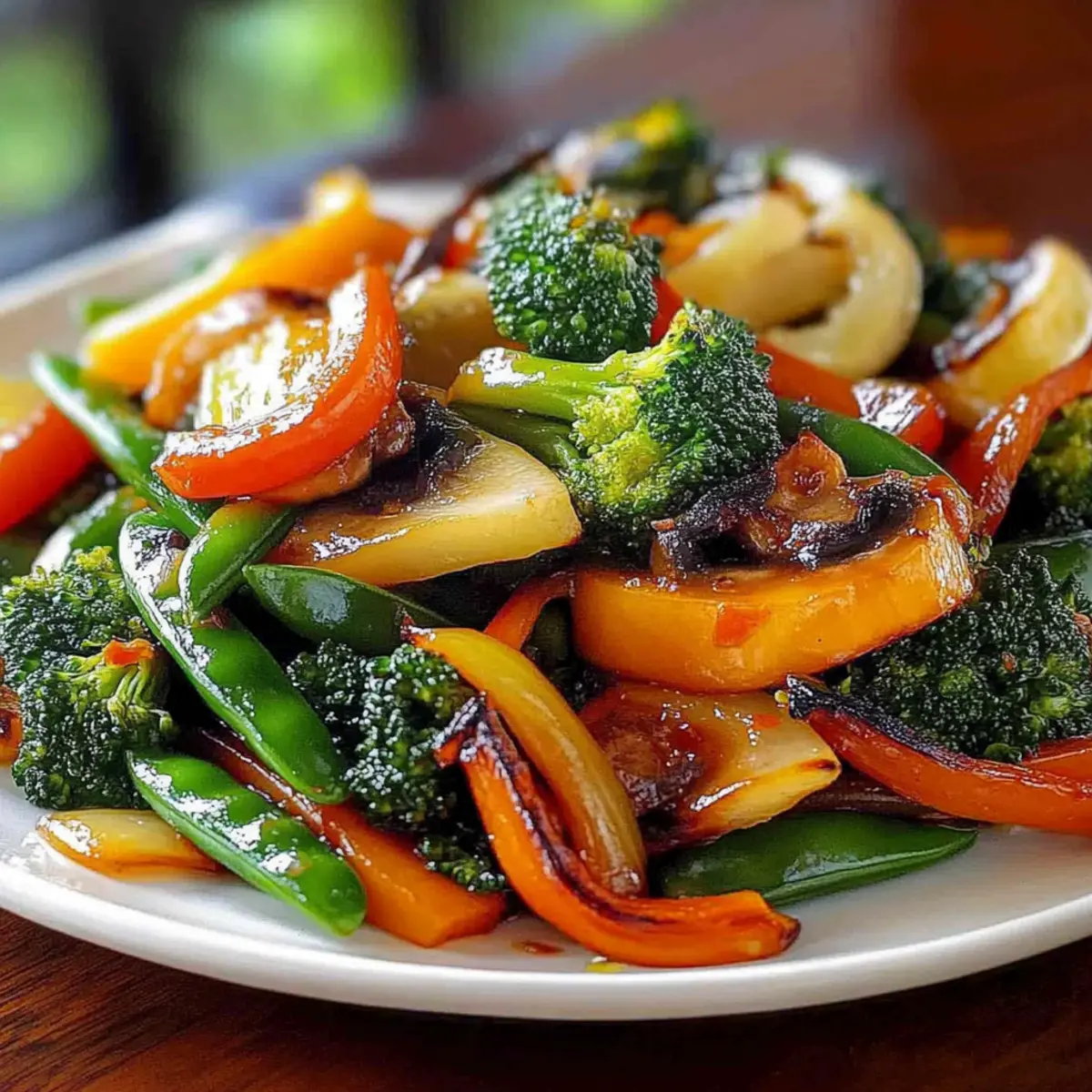
These Healthy Sautéed Vegetables are perfect for meal prep! You can chop your vegetables and store them in an airtight container in the refrigerator up to 24 hours in advance, keeping them fresh and ready for a quick cook. To maintain quality, be sure to keep the chopped veggies dry to prevent spoilage. When you’re ready to serve, simply heat 1-2 tablespoons of olive oil in a skillet, add the aromatics, and then toss in the prepped veggies—cook until they’re crisp-tender, and enjoy the delightful taste that feels fresh, even when prepared ahead! This approach not only saves you time during busy weeknights but also ensures your vegetables retain their vibrant colors and flavors.
Healthy Sautéed Vegetables: Customizable Delights
Feel free to unleash your creativity and adapt this recipe to your taste! Let’s explore some delicious variations that might pique your interest.
- Dairy-Free: Swap Parmesan with nutritional yeast for a cheesy flavor without the dairy. This addition gives the dish a unique depth that’s still rich and satisfying.
- Spicy Kick: Add sriracha or red pepper flakes for a fiery hit. This simple adjustment can transform your sautéed vegetables into a dish that tantalizes and excites your taste buds!
- Mediterranean Twist: Incorporate sun-dried tomatoes, olives, and fresh basil for a delightful Mediterranean flair. The earthy flavors will transport your palate to sun-soaked shores!
- Roots & Greens: Mix in hearty greens like kale or Swiss chard, along with root vegetables like sweet potatoes. This hearty variation is especially nourishing during the colder months.
- Asian Inspiration: Drizzle with soy sauce, ginger, and sprinkle sesame seeds on top for an Asian-inspired delight. This flavor profile pairs wonderfully with rice or noodles.
- Herb-Infused: Toss in fresh herbs like thyme, rosemary, or dill as you cook. Each allows you to change the flavor profile and adds a burst of freshness to your dish!
- Sweet & Savory: Caramelize your onions further and add a splash of balsamic vinegar for a sweet contrast. This unexpected twist brings out the natural sweetness in vegetables, creating balanced flavors.
- Colorful Blend: Mix in rainbow-colored veggies like purple cabbage, golden beets, or yellow squash. Not only vibrant but also a feast for the eyes, this variation is sure to be a hit!
Experimenting with these variations will help create a unique dish each time. And if you’re craving something sweet afterward, make sure to check out these classic Chocolate Chip Cookies for dessert!
What to Serve with Quick & Colorful Sautéed Vegetables
Transform your meal experience with perfectly paired dishes that elevate the colors and textures of your sautéed vegetables.
- Grilled Chicken: Juicy, savory chicken adds protein and complements the lightness of sautéed vegetables beautifully.
- Quinoa Salad: A nutty quinoa salad with fresh herbs and lemon brightens up the plate and enhances the vegetable medley.
- Tofu Stir-Fry: Crunchy sautéed vegetables harmonize with crispy tofu, bringing together layers of flavor and plant-based protein.
- Brown Rice: Earthy brown rice absorbs flavors from the vegetables and adds a wholesome element to the meal.
- Mediterranean Couscous: This fluffy, lemony couscous offers a delightful texture contrast and an extra boost of flavor.
- Creamy Avocado Toast: The creamy richness of avocado contrasts nicely with the crisp-tender vegetables, making for a satisfying bite.
- Lemon Herb Hummus: Serve with a side of hummus for dipping; its creamy goodness complements the vegetables while adding extra flavor.
- Chilled Rosé Wine: A glass of refreshing rosé balances the warmth of the sautéed vegetables, enhancing the meal’s overall lightness.
- Dark Chocolate Square: End your meal on a sweet note; a small piece of dark chocolate brings richness that beautifully rounds out the flavors.
Expert Tips for Healthy Sautéed Vegetables
-
Uniform Cuts: Ensure all vegetables are chopped into similar sizes to promote even cooking, achieving the perfect crisp-tender texture in your healthy sautéed vegetables.
-
Avoid Steaming: Don’t overcrowd the pan; this will steam your vegetables instead of sautéing them. Work in batches if necessary for best results.
-
Flavor Boost: Sauté garlic and onions first to infuse the oil with flavor before adding other veggies, enhancing the overall taste of your healthy sautéed vegetables.
-
Fresh is Best: Use fresh, in-season veggies for the best flavor and color. If using frozen, thaw and pat dry to avoid excess moisture during cooking.
-
Finish Bright: A splash of lemon juice or a drizzle of balsamic vinegar at the end brightens up the dish, adding a lovely tang to your healthy sautéed vegetables.
Storage Tips for Healthy Sautéed Vegetables
Fridge: Store leftover healthy sautéed vegetables in an airtight container for up to 3–4 days to maintain freshness.
Freezer: If you want to freeze your sautéed vegetables, let them cool completely before placing them in freezer-safe bags. They can last up to 2–3 months.
Reheating: To reheat, simply warm them in a skillet over medium heat for a few minutes until heated through, adding a splash of olive oil to retain their texture.
Make-Ahead: Chop your vegetables ahead of time and keep them in the fridge for up to 2 days, making it easy to whip up your healthy sautéed vegetables quickly.
Healthy Sautéed Vegetables Recipe FAQs
What are the best vegetables for sautéing?
Absolutely! Ideal vegetables for sautéing include bell peppers, zucchini, broccoli, carrots, snap peas, and mushrooms. Look for ones that are fresh and firm, vibrant in color, and free of any dark spots or blemishes. For a twist, feel free to mix and match according to your preference or what’s in season.
How long do sautéed vegetables last in the fridge?
Stored in an airtight container, your healthy sautéed vegetables will stay fresh for about 3–4 days. Be sure to let them cool completely before sealing to avoid condensation, which can lead to sogginess. When you’re ready to enjoy them again, simply reheat them briefly in a skillet for the best texture!
Can I freeze sautéed vegetables, and if so, how?
Yes, you can freeze sautéed vegetables! First, allow them to cool completely. Next, lay them flat in a single layer on a parchment-lined baking sheet and freeze for about 1-2 hours until solid. Transfer to freezer-safe bags or containers, squeezing out as much air as possible. These can be stored in the freezer for up to 2–3 months. When you’re ready to use them, just add directly to a stir-fry or soup without thawing for convenience!
What should I do if my sautéed vegetables are mushy?
Very! If your healthy sautéed vegetables turn mushy, it usually means they were overcooked or the pan was overcrowded, leading to steaming instead of sautéing. To avoid this, ensure that you chop your vegetables uniformly and cook them in batches if necessary. If you find yourself with mushy veggies, try crisping them up in a hot pan for a couple of minutes to regain some texture.
Are sautéed vegetables safe for pets?
While many vegetables can be safe for dogs and cats, some, like onions and garlic, are toxic to them. It’s best to stick to pet-friendly options like carrots, bell peppers, and zucchini if you want to share. Always consult your veterinarian for advice tailored to your pet’s dietary needs. Enjoy safe cooking!
Can I use frozen vegetables for this recipe?
Of course! Frozen vegetables can be a convenient option, but make sure to thaw and pat them dry before sautéing. You may need to adjust the cooking time as frozen veggies tend to release more moisture. For the best results, add them directly from the freezer, but remember that they may not achieve the same crisp-tender texture as fresh, seasonal vegetables.
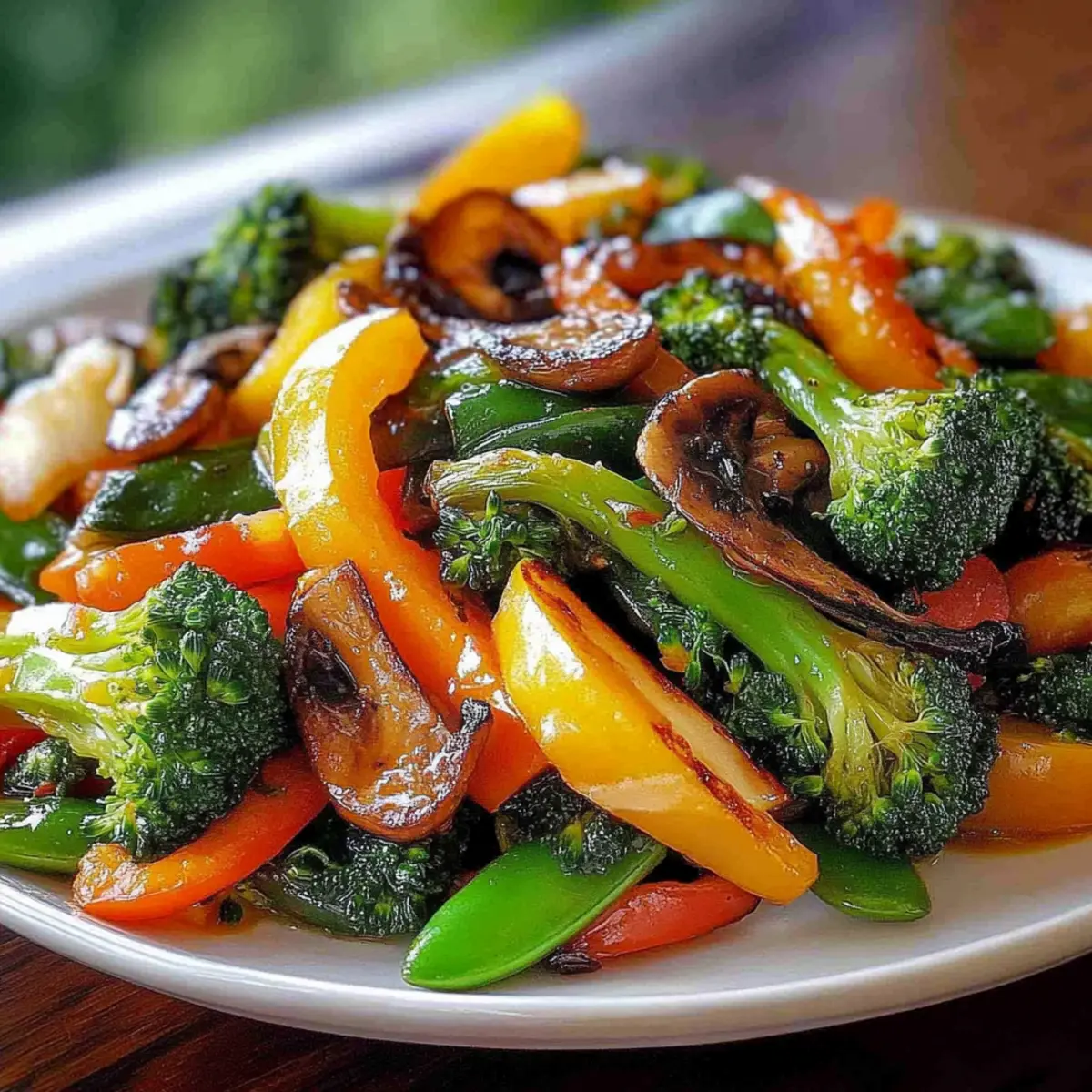
Healthy Sautéed Vegetables: Quick, Colorful, and Tasty!
Ingredients
Equipment
Method
- Begin by washing and prepping your vegetables. Peel if necessary and chop all ingredients into uniform sizes.
- Place a large skillet over medium-high heat and add 1-2 tablespoons of olive oil. Allow the oil to heat until shimmering, about 1-2 minutes.
- Once the oil is hot, add the minced garlic and sliced onion to the skillet. Sauté for 1-2 minutes until the onions become translucent and fragrant.
- Introduce the carrots and broccoli to the skillet, stirring well to combine. Cook these for 3-4 minutes, allowing them to soften slightly.
- Now, it’s time to mix in the bell peppers, zucchini, mushrooms, and snap peas. Sauté everything for 4-5 minutes until all the vegetables are crisp-tender.
- Finally, season your vegetables with salt, black pepper, and a splash of lemon juice for freshness. Toss everything well and serve immediately.
Leave a Reply