
As the aroma of simmering vegetables fills my kitchen, I’m transported to vibrant street markets where every bowl of soup tells a story. Today, I’m excited to share my recipe for The Ultimate Asian Vegetable Stock, a nourishing blend that’s as versatile as it is comforting. This vegan delight is packed with umami goodness, making it the perfect base for stews, noodle dishes, or even enjoyed on its own as a soulful sip. Best of all, it’s incredibly easy to whip up, ensuring you have a delicious stock ready at a moment’s notice. Trust me, once you discover this recipe, it will become your go-to staple for elevating everyday meals. Are you ready to dive into a world of flavor?
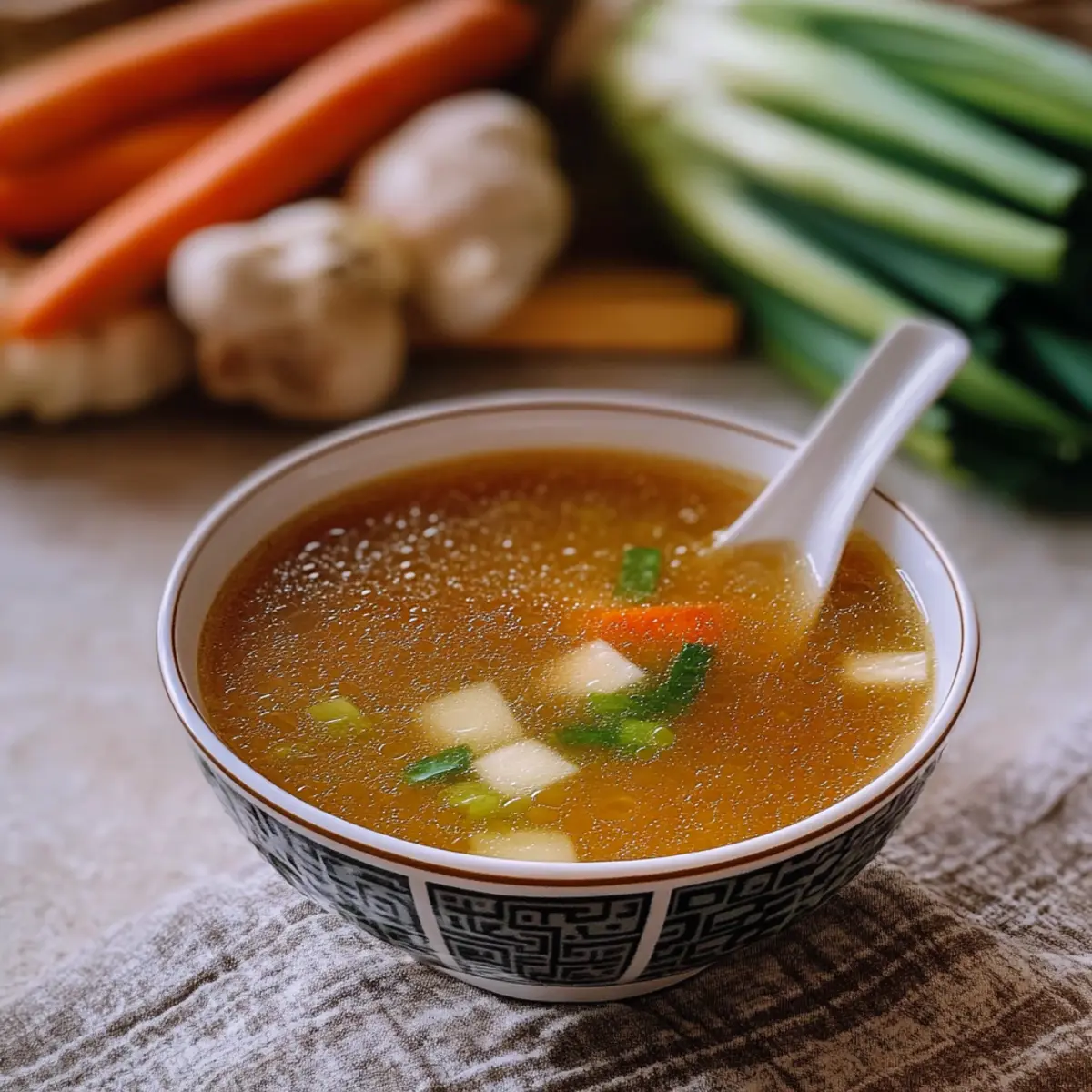
Why is Homemade Stock the Best?
Umami Powerhouse: This stock is bursting with rich, savory flavors that simply can’t be matched by store-bought options. Flavorful Warmth: The combination of roasted vegetables, ginger, and garlic creates a delightful warmth perfect for chilly days. Nourishing Base: It’s not just versatile—this stock is packed with nutrients that elevate your favorite soups and stews. Easy to Customize: Feel free to swap in seasonal vegetables or spice it up with a bit of chili for a unique twist. If you love cookies, don’t forget to check out my Cranberry Orange Cookies for a delightful treat! Your kitchen will be alive with enticing aromas, bringing a comforting vibe as you whip up unforgettable meals.
The Ultimate Asian Vegetable Stock Ingredients
Creating The Ultimate Asian Vegetable Stock is a delightful adventure for your taste buds!
For the Stock
- Napa Cabbage – Provides depth and sweetness; can use savoy cabbage if unavailable.
- Vegetable Oil – Ideal for roasting and sautéing; any neutral oil like canola or grapeseed works too.
- Ginger – Adds warmth and aromatic qualities; fresh is best, but dried can work in a pinch.
- Garlic – Contributes robust flavor; adjust quantity to taste for your desired intensity.
- White Fermented Bean Curd – Enhances umami richness; optional but recommended—miso can substitute for similar depth.
- Onion – Adds sweetness and aroma; yellow or white onions are both great choices.
- Carrots – Provide natural sweetness and vibrant color; any variety works, and sweet potatoes can be a fun addition.
- Scallions – Bring fresh onion flavor; leeks or chives can be used as a substitute.
- Daikon Radish – Imparts mild sweetness and earthiness; regular radish or turnip can also be used.
- Dried Kelp (Kombu) – A key umami booster; try to find in Asian markets but can be skipped if necessary.
- Dried Shiitake Mushrooms – Infuse the stock with rich flavor; buy dried and rehydrate, or fresh if unavailable.
- Water – Acts as the stock base; using filtered water will enhance the final taste.
- Salt – Enhances overall flavor; adjust to taste at the end for perfect seasoning.
Step‑by‑Step Instructions for The Ultimate Asian Vegetable Stock
Step 1: Preheat and Roast
Begin by preheating your oven to 375°F (190°C). Cut the napa cabbage in half lengthwise and place it on a baking sheet lined with parchment paper. Drizzle a bit of vegetable oil over the cabbage to help it caramelize. Roast in the oven for about 25 minutes, until the edges are golden brown and the cabbage has softened, enhancing the umami flavor of your Vegetable Stock.
Step 2: Sauté Aromatics
In a large stockpot, heat 1 tablespoon of vegetable oil over medium heat. Once hot, add minced ginger and chopped garlic, sautéing for about 2 minutes until they’re fragrant and just beginning to turn golden. This step builds the aromatic foundation of The Ultimate Asian Vegetable Stock, filling your kitchen with enticing scents that signal something delicious is on the way.
Step 3: Add Fermented Bean Curd
Add the white fermented bean curd to the pot, cooking it for one minute while stirring constantly. The bean curd will start to break down and meld with the ginger and garlic, infusing rich umami depth into the stock. Make sure to scrape any bits from the bottom of the pot, incorporating all the flavors as you prepare for the next ingredients.
Step 4: Incorporate Vegetables and Water
Now, add the chopped onion, carrots, scallions, daikon radish, dried kelp, and rehydrated shiitake mushrooms into the pot. Pour in about 12 cups of filtered water, ensuring all the vegetables are submerged. This colorful mix will contribute to the depth and nourishment of The Ultimate Asian Vegetable Stock, creating a beautiful medley of flavors.
Step 5: Combine Roasted Cabbage and Boil
Once the napa cabbage has roasted, remove it from the oven and add it to the stockpot. Bring the mixture to a rolling boil over high heat, watching closely for bubbles. You’ll see the vegetables soften and release their flavors into the water, creating a fragrant broth full of potential for your future soups and dishes.
Step 6: Simmer for Depth of Flavor
Reduce the heat to low, cover the pot, and let the stock simmer gently for about 4 hours. This slow cooking allows the flavors to meld beautifully, resulting in a rich, golden liquid that embodies the essence of The Ultimate Asian Vegetable Stock. Stir occasionally, enjoying the fragrant aromas wafting through your kitchen as it cooks.
Step 7: Strain and Season
After simmering, carefully strain the stock through a fine mesh sieve into a large bowl or another pot, discarding the solid vegetable pieces. Return the liquid to the cleaned stockpot, and season with salt to taste. Adjust the seasoning to suit your palate, ensuring the stock is perfectly balanced and ready to enhance your favorite dishes.
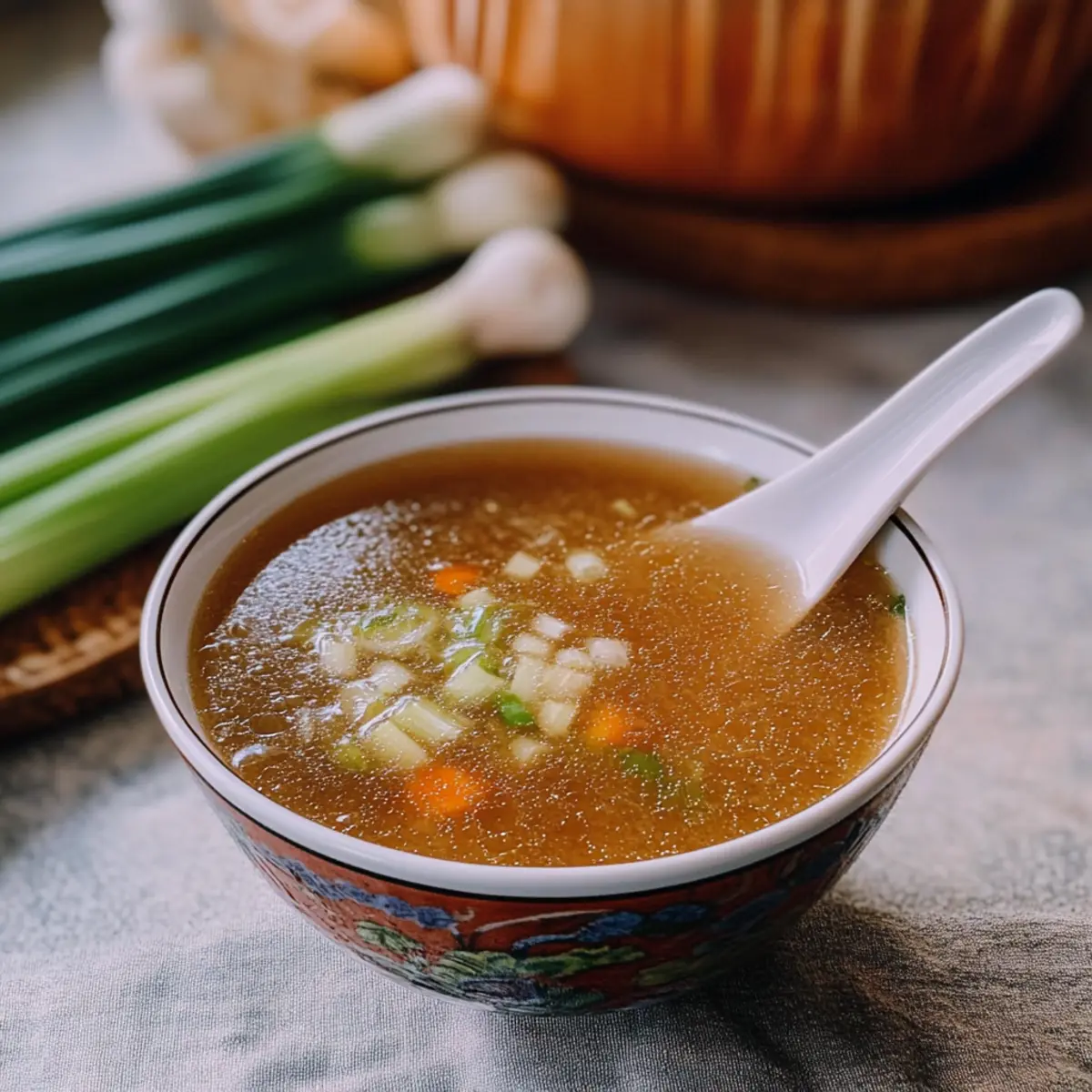
Variations & Substitutions for The Ultimate Asian Vegetable Stock
Feel free to explore the delightful world of flavors and textures by customizing your stock to match your preferences!
-
Greens Swap: Substitute napa cabbage with bok choy or collard greens for a fresh twist. Each offers a unique flavor profile that’s sure to surprise your taste buds.
-
Seasonal Veggies: Adjust ingredients based on what’s vibrant in your garden or at the market. Mushrooms and leeks bring added depth, making this stock truly yours.
-
Spicy Kick: For a vibrant heat, add a couple of fresh chili slices or a dash of chili flakes. This brings a lively zing, turning your stock into an exciting base for stews.
-
Miso Richness: If you can’t find white fermented bean curd, opt for miso paste instead. Stir it in at the end for a creamy, umami-packed punch that pairs beautifully with many dishes.
-
Root Veggie Plus: Get creative by throwing in sweet potatoes or parsnips for an earthy sweetness. They provide a lush texture, enriching your stock even more.
-
Dried Herb Boost: Enhance your stock’s aroma by tossing in dried herbs like thyme or bay leaves. Just remember to strain them out before serving!
-
Umami Upgrade: Boost the umami factor with a tablespoon of soy sauce or tamari. This small addition adds complexity that elevates any soup you make from the stock.
-
Creamy Alternative: For a creamier texture, consider blending a portion of your strained vegetables back into the stock. This gives a richer mouthfeel perfect for hearty soups.
Your culinary journey with this stock doesn’t have to end here! For sweeter indulgences, why not try out my delightful Eggnog Cupcakes Nutmeg or enjoy a festive treat with the family by making No-Bake Gingerbread Cheesecake Cups? Enjoy experimenting!
What to Serve with The Ultimate Asian Vegetable Stock
As you embrace the rich flavors of this comforting stock, let’s explore delightful pairings that will elevate your meal experience.
-
Hearty Ramen Noodles: The stock provides a robust foundation, enhancing the noodles’ flavor while creating a heartwarming bowl of comfort.
-
Savory Dumplings: Serve these alongside for a delightful texture contrast. They’re perfect for dipping into the umami-rich broth.
-
Fresh Vegetable Stir-Fry: Brighten up your meal with seasonal veggies; they provide a crispy, fresh balance to the warm, deep flavors of the stock.
-
Steamed Rice: Serve this alongside for a simple but satisfying pairing. It absorbs the stock’s savory goodness, making each bite deliciously flavorful.
-
Thai Basil Spring Rolls: These packed rolls give a fresh crunch that complements the warm flavors of the stock. Dip them in the broth for an exciting taste fusion.
-
Sesame Bok Choy Salad: This crisp salad refreshes your palate, and the sesame dressing adds a nutty richness that ties beautifully with the vegetable stock.
-
Coconut Milk Soup: Looking for a creamy twist? This blend enhances the stock’s warmth while providing a luxurious mouthfeel.
-
Chilled Sake: Pair a glass of this delicate rice wine; its lightness and subtle sweetness accentuate the deep flavors in your stock.
-
Dark Chocolate Mousse: End your meal on a rich note. The bittersweet chocolate provides a beautiful contrast to the savory notes of your dinner.
Make Ahead Options
Preparing The Ultimate Asian Vegetable Stock in advance is a fantastic way to save time during your busy week! You can roast the napa cabbage and chop all the vegetables up to 24 hours ahead of time, storing them in airtight containers in the refrigerator. This way, you’ll have everything ready to go when it’s time to make your stock. Additionally, you can make the entire stock and refrigerate it for 3-4 days before using it, or freeze it in portions for up to 6 months. To maintain the rich flavors, allow the stock to cool completely before freezing, and don’t skip the final seasoning step with salt for a perfectly balanced taste. When you’re ready to enjoy, simply reheat the stock on the stove and use it in your favorite recipes, feeling great about the time you’ve saved!
Expert Tips for The Ultimate Asian Vegetable Stock
-
Roast for Richness: Don’t skip roasting the napa cabbage! This step enhances the umami flavor, giving your stock a beautiful depth.
-
Cool Before Storing: Always allow the stock to cool completely before storing; avoid ice crystals by leaving space in containers if freezing.
-
Use a Large Pot: Ensure you’re using a large stockpot to avoid overcrowding ingredients, promoting even cooking and flavor development.
-
Taste and Adjust: Don’t hesitate to taste and adjust the salt towards the end. This final touch can make a world of difference in The Ultimate Asian Vegetable Stock.
-
Experiment with Ingredients: Feel free to swap vegetables based on what you have at home or what’s in season, allowing your stock to be uniquely yours!
How to Store and Freeze The Ultimate Asian Vegetable Stock
-
Fridge: Store your Asian vegetable stock in an airtight container for up to 4 days. Allow it to cool before sealing to prevent condensation.
-
Freezer: For longer storage, freeze the stock in portion-sized containers or freezer bags for up to 6 months. Make sure to leave some space in containers as the stock expands when frozen.
-
Reheating: Thaw frozen stock in the refrigerator overnight or use the microwave. Reheat on the stove over medium heat until hot, and adjust seasoning as needed.
-
Airtight Guidance: Ensure containers are well-sealed to avoid freezer burn and maintain the rich umami flavor of your homemade stock.
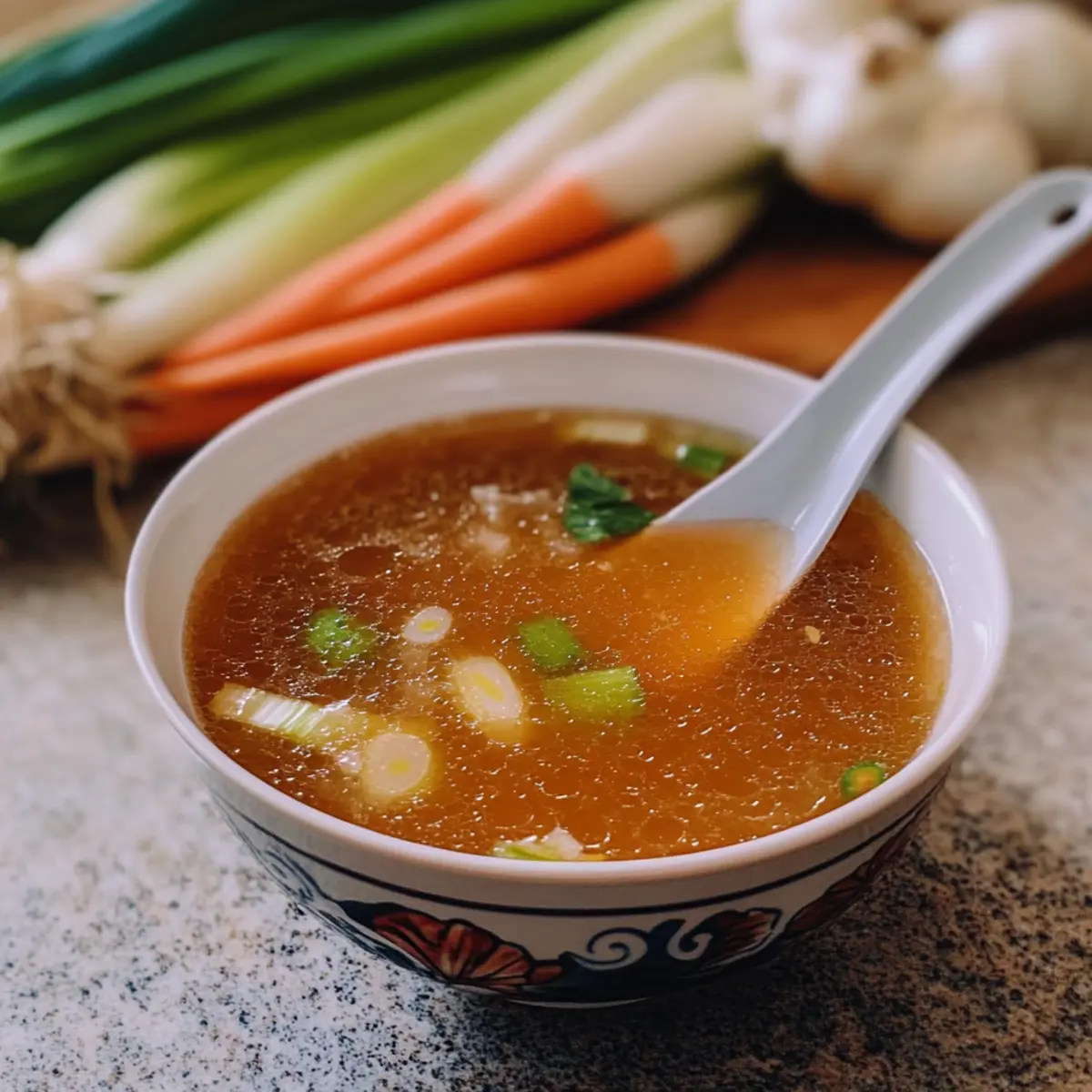
The Ultimate Asian Vegetable Stock Recipe FAQs
What’s the best way to choose ripe vegetables for the stock?
Absolutely! When picking vegetables like napa cabbage or daikon radish, look for those that are firm and vibrant. The cabbage should have a crisp texture without any dark spots or wilting, indicating freshness. Likewise, the daikon should feel solid and not have deep cuts or blemishes. Freshness in your ingredients makes a world of difference in flavor.
How should I store The Ultimate Asian Vegetable Stock?
For the best results, refrigerate your stock in an airtight container for up to 3-4 days. Make sure it has cooled completely before sealing it up to prevent condensation inside. For longer storage, freeze the stock in portion-sized containers or freezer bags, allowing up to 6 months for the best flavor and quality. Just remember to leave some space since the stock will expand as it freezes!
Can I freeze The Ultimate Asian Vegetable Stock?
Yes, you can! To freeze, first cool your stock completely. Then, pour it into airtight containers or freezer bags; I recommend using freezer bags for easy storage. Remove as much air as possible to prevent freezer burn, leaving a little room for expansion. It will keep well in the freezer for up to 6 months. When you’re ready to use it, simply thaw in the refrigerator overnight or on the stovetop for quick use.
What should I do if my stock tastes bland?
If your stock ends up tasting a bit lackluster, don’t worry! First, check if you’ve added enough salt. After straining, taste and then season gradually, a pinch at a time, stirring well. You might even enhance the flavor by simmering the stock a bit longer to deepen its essence. Adding a splash of soy sauce or a dash of miso can also dramatically boost that umami profile we all love!
Can pets safely consume The Ultimate Asian Vegetable Stock?
It’s essential to be cautious. While the stock contains nutritious vegetables, some ingredients like garlic and onions can be harmful to pets, especially in large amounts. It’s best to keep this stock for human consumption only. If you want a pet-friendly broth, consider making a separate stock with only safe ingredients such as carrots and pumpkin, without any seasoning.
Are there any common substitutions for the ingredients?
Very! If you can’t find certain vegetables like dried kelp or shiitake mushrooms, feel free to substitute with fresh options or other dried kinds like porcini for that umami kick. Similarly, napa cabbage can be swapped for bok choy, and if you don’t have fermented bean curd, a tablespoon of miso can still give you that rich flavor profile. Always adjust based on what you have available!
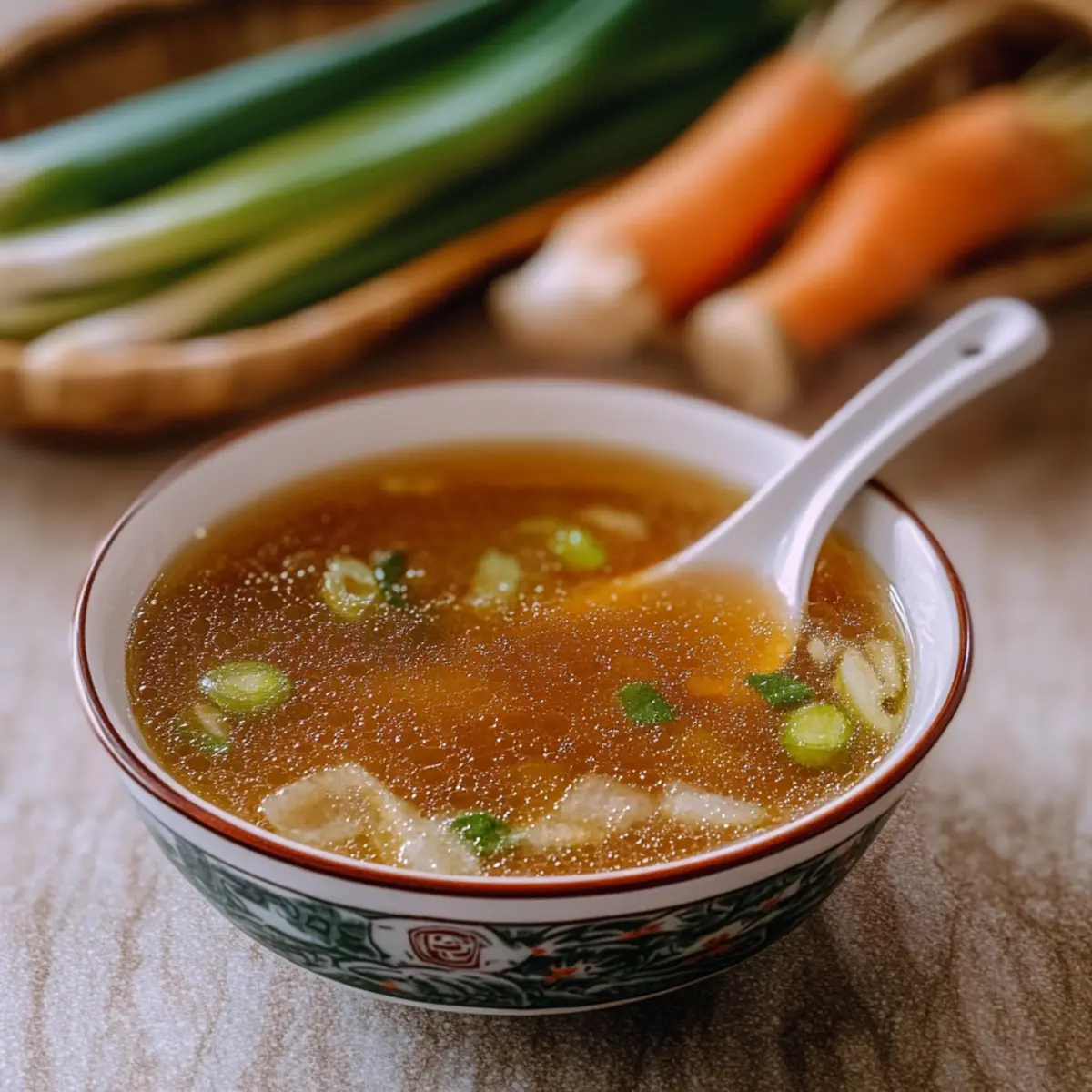
Savory Secrets: The Ultimate Asian Vegetable Stock Recipe
Ingredients
Equipment
Method
- Preheat your oven to 375°F (190°C). Cut the napa cabbage in half lengthwise and place it on a baking sheet lined with parchment paper. Drizzle vegetable oil over the cabbage and roast for about 25 minutes until golden brown.
- In a large stockpot, heat 1 tablespoon of vegetable oil over medium heat. Add minced ginger and chopped garlic, sautéing for about 2 minutes until fragrant.
- Add the white fermented bean curd to the pot, cooking it for one minute while stirring constantly to infuse the flavors.
- Incorporate the chopped onion, carrots, scallions, daikon radish, dried kelp, and rehydrated shiitake mushrooms. Pour in 12 cups of filtered water, ensuring vegetables are submerged.
- Once the napa cabbage is roasted, add it to the stockpot. Bring the mixture to a rolling boil.
- Reduce the heat to low, cover, and let the stock simmer gently for about 4 hours, stirring occasionally.
- After simmering, strain the stock through a fine mesh sieve into a bowl, discarding solid pieces. Return the liquid to stockpot and season with salt to taste.
Leave a Reply