
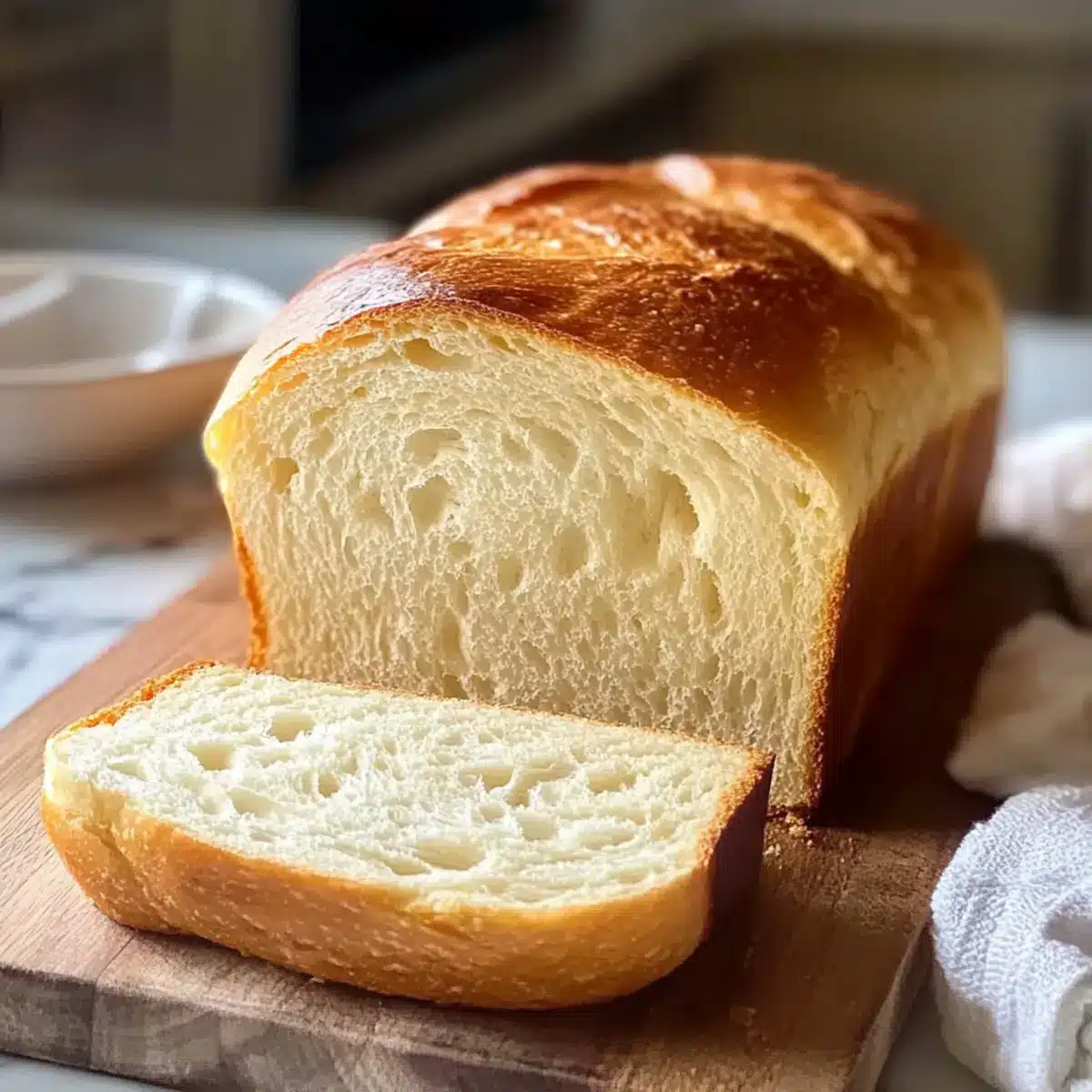
As I sifted through a flurry of flour, a wave of nostalgia hit me—my grandmother’s kitchen, filled with the intoxicating aroma of freshly baked bread. This Ultimate Homemade Bread recipe captures that essence, using just six simple ingredients you likely already have in your pantry. Not only is it easy to whip up on a busy weeknight, but it’s also a fantastic way to take a break from the fast food grind, offering that comforting, satisfying vibe we all crave. Plus, it freezes beautifully, so you can enjoy the fruits of your labor long after the last crumb is gone. Are you ready to transform your kitchen into a warm, inviting bakery? Let’s get started!
Why Make Homemade Bread Today?
Homemade bread is a game changer: This simple recipe transforms your kitchen into a cozy haven, allowing you to enjoy the comforting scent of fresh bread straight from the oven. Versatile delight: Whether for savory sandwiches or sweet toast, this bread adapts to your meal plans effortlessly. Freezer-friendly: Bake now and savor later! You can freeze loaves for up to 3 months, ensuring you always have a treat on hand. Healthier option: With no preservatives, it’s a wholesome choice compared to store-bought varieties. Plus, easy and rewarding: Even beginner bakers will find joy in this hassle-free process. Give it a try, and pair it with a side of Orange Cranberry Shortbread for a delightful homemade feast!
Homemade Bread Ingredients
• Perfect for creating warm, inviting loaves!
For the Dough
- All-Purpose Flour – Provides structure and texture; can substitute part with whole wheat for added nutrients.
- Active Dry Yeast – Essential for the rise; ensure freshness for optimal results.
- Warm Water – Activates the yeast; keep it between 100°F and 110°F for the best outcome.
- Sugar or Honey – Aids yeast activation and adds a touch of sweetness; you can reduce if you prefer less sweetness.
- Salt – Enhances flavor and helps control yeast activity; a crucial ingredient for the taste.
- Oil (Vegetable or Olive) – Keeps the bread moist and improves texture; melted butter is a tasty alternative.
Enjoy the process of making homemade bread, and savor the delicious results!
Step‑by‑Step Instructions for Ultimate Homemade Bread
Step 1: Proof Yeast
In a large mixing bowl, combine 2 ¼ teaspoons of active dry yeast, 1 cup of warm water (between 100°F and 110°F), and a pinch of sugar. Allow the mixture to sit undisturbed for 5-10 minutes until it becomes foamy—this indicates that the yeast is alive and ready to work its magic in your homemade bread.
Step 2: Mix Ingredients
Once your yeast is frothy, add 2 tablespoons of sugar, 2 teaspoons of salt, and 2 tablespoons of oil to the bowl. Gradually stir in 3 cups of all-purpose flour until well incorporated. Then, add in the remaining cup of flour slowly, mixing until the dough forms a ball and pulls away from the sides of the bowl, showcasing its readiness for kneading.
Step 3: Knead Dough
Lightly flour a clean surface and transfer the dough onto it—this will help prevent sticking as you knead. Knead the dough for about 4-5 minutes with a stand mixer using a dough hook, or by hand for 5-8 minutes. You’ll want it to be smooth and elastic; a well-kneaded dough is the secret to fluffy, airy homemade bread.
Step 4: First Rise
Grease a large bowl with a little oil and place your kneaded dough inside, turning it over to coat. Cover the bowl with a clean kitchen towel and let the dough rise in a warm area for approximately 1.5 hours, or until it has doubled in size. This is where the dough transforms into a light and airy masterpiece.
Step 5: Shape Loaves
After the first rise, gently punch down the dough to deflate it and divide it into two equal sections. Shape each piece into a log, ensuring it’s even and smooth. Place the formed loaves into greased loaf pans, covering them with a towel to rise again for about 45 minutes; they should swell and fill the pans beautifully.
Step 6: Preheat Oven
While your loaves are rising, preheat your oven to 350°F (175°C). This allows your baked homemade bread to start cooking evenly and ensures a golden crust. Have your oven ready—your kitchen will soon be filled with the delightful aroma of freshly baked bread!
Step 7: Bake
Once the loaves have risen adequately, place them in the preheated oven and bake for 30-33 minutes. Keep an eye out for a golden brown crust; when tapped on the bottom, the loaves should sound hollow—indicative of that perfect bake you’ve been waiting for in your homemade bread.
Step 8: Cool
After baking, carefully remove the loaves from the pans and invert them onto a wire cooling rack. If desired, brush the tops with melted butter for extra flavor. Allow the loaves to cool for at least 10 minutes before slicing; this helps set the interior and enhances the overall texture of your delightful homemade bread.
Make Ahead Options
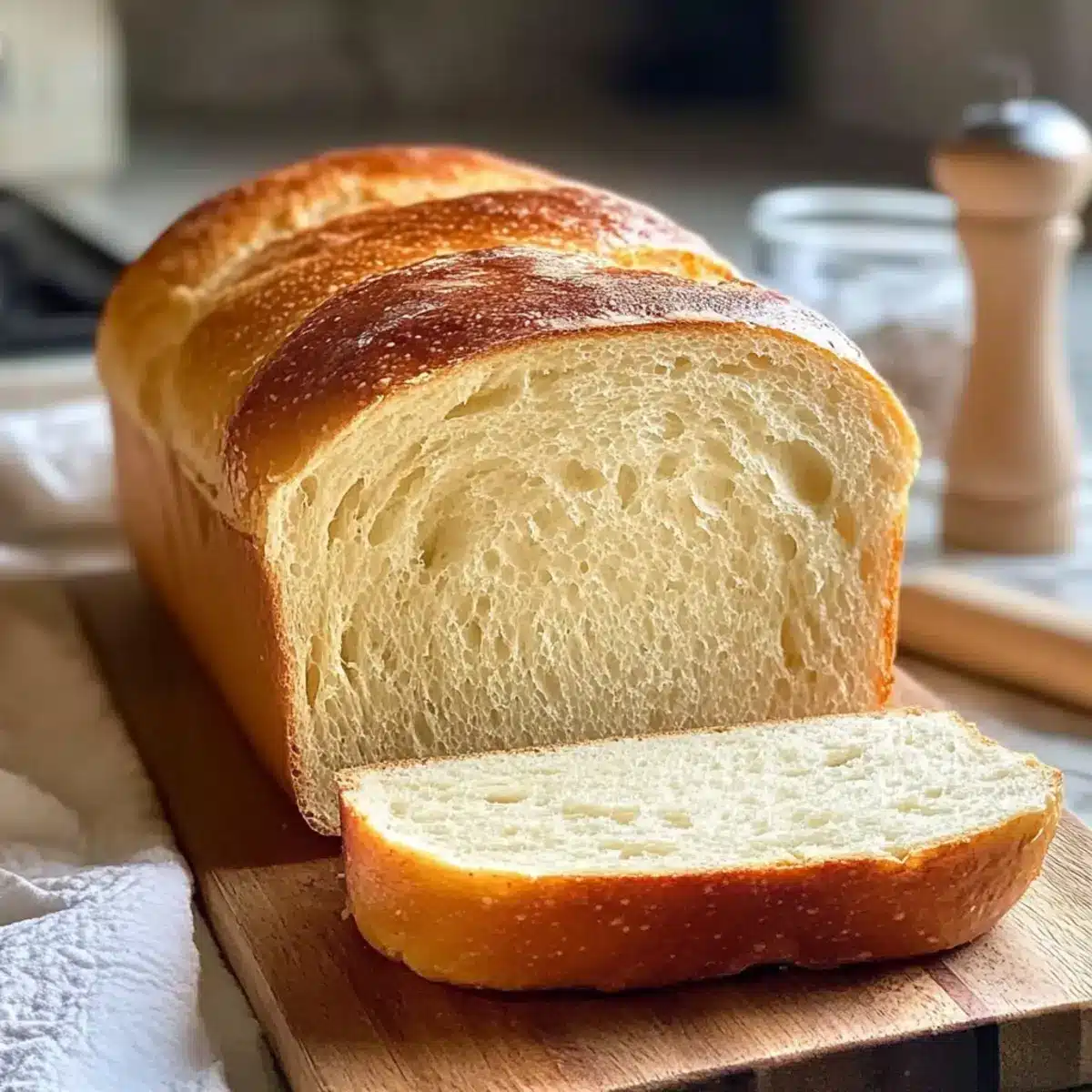
These delightful homemade bread loaves are perfect for making ahead, saving you time in your busy week! You can prepare the dough up to 24 hours in advance by following steps 1 through 4, then cover the bowl tightly and refrigerate it. This method allows the dough to develop more flavor while you take care of other tasks. When you’re ready to bake, simply remove it from the fridge, shape it into loaf pans, and let it rise for about 45 minutes before baking. To maintain the quality of your homemade bread, make sure to store any leftover loaves in an airtight container for up to 3 days or freeze for up to 3 months. Enjoy fresh, warm bread with minimal effort!
What to Serve with Ultimate Homemade Bread?
There’s nothing like the aroma of fresh homemade bread wafting through your home, creating a perfect backdrop for a delightful meal.
-
Creamy Tomato Soup: The richness of this classic soup pairs perfectly with the soft texture of homemade bread, inviting you to dip and savor every bite.
-
Garlic Butter Roasted Vegetables: These tender, flavorful veggies bring a burst of color and taste that complements the warm, comforting notes of your bread.
-
Classic Caesar Salad: The crisp, crunchy greens and creamy dressing enhance your dining experience, providing a refreshing counterbalance to the soft bread.
-
Herbed Olive Oil Dipping Sauce: A simple mixture of herbs and olive oil creates a vibrant dip that elevates your bread, enticing you to tear off pieces and indulge.
-
Savory Grilled Cheese Sandwiches: The gooey cheese melts between crusts of homemade bread, creating a warm and satisfying comfort food experience that everyone loves.
-
Homemade Jam: Slather on fresh fruit preserves or your favorite jam for a sweet treat that turns your bread into a delightful breakfast or snack.
-
Warm Bread Pudding: If you’re feeling adventurous, transform leftover bread into a fragrant dessert, perfect for a gathering or to enjoy yourself after dinner.
-
Refreshing Lemonade: A cool glass of freshly squeezed lemonade is a refreshing accompaniment to your meal, balancing richness with its bright, zesty flavor.
Let these pairing ideas inspire you as you embrace the joy of your homemade bread in various delicious forms!
Homemade Bread Variations & Substitutions
Embrace your creativity and personalize this homemade bread recipe to suit your tastes and dietary needs!
- Whole Wheat Twist: Use half whole wheat flour for added fiber and a nuttier flavor. It’s a delightful way to enhance your bread while keeping it wholesome.
- Herbs & Cheese: Mix in dried herbs like rosemary or thyme and shredded cheese for a savory flavor boost that transforms your loaves into a gourmet delight.
- Sweeten the Deal: Add a couple of tablespoons of honey or maple syrup to the dough for a hint of sweetness that pairs wonderfully with butter or jam.
- Seed Topping: Before baking, sprinkle the top with sesame or poppy seeds for added crunch and a beautiful finish. It’s an eye-catching way to elevate your bread!
- Garlic Infusion: Brush melted butter mixed with minced garlic on the formed loaves before the second rise for a flavorful kick. Your kitchen will smell divine!
- Spicy Kick: Incorporate finely chopped jalapeños or red pepper flakes into the dough for a warm, spicy flavor that adds excitement to every bite.
- Nutty Flavor: Fold in chopped nuts, like walnuts or pecans, for an unexpected texture and rich flavor that’s perfect for spreading with your favorite cheese.
- Dried Fruit: Add raisins or dried cranberries to the dough for a sweet twist, creating a lovely contrast with savory toppings. Pair it with cream cheese for an indulgent breakfast treat.
Dive into these variations and see how each twist can lead to a new family favorite—like pairing with some Homemade Jam Donut or enjoying with a side of Gingerbread Brownies Cozy. Enjoy the journey of baking!
How to Store and Freeze Homemade Bread
Room Temperature: Store homemade bread in a cool, dry place wrapped in a clean kitchen towel for up to 3 days. Avoid plastic wrap to maintain crusty texture.
Fridge: If you need to keep it longer, store in an airtight container in the fridge for up to 5 days, though it may lose some freshness.
Freezer: For extended storage, wrap loaves tightly in aluminum foil or plastic wrap, then place in a freezer-safe bag. Homemade bread will stay fresh for up to 3 months.
Reheating: To enjoy, thaw at room temperature or reheat directly from frozen in a preheated oven at 350°F (175°C) for 10-15 minutes for a warm, fresh-baked taste!
Expert Tips for Homemade Bread
- Fresh Yeast Matters: Always use fresh, active dry yeast for a good rise. Expired yeast can lead to denser loaves.
- Accurate Measurements: Measure flour with a kitchen scale for consistency; too much flour can result in heavy, dense homemade bread.
- Kneading Technique: Knead thoroughly to develop gluten, which is crucial for an airy texture. Don’t rush this step!
- Rising Times: Be patient; dough needs time to rise properly. Under-risen dough can yield a soggy, heavy bread.
- Check Doneness: Tap the bottom of the loaves; they should sound hollow when baked correctly, confirming that your homemade bread is ready.
Homemade Bread Recipe FAQs
How do I select the best ingredients for homemade bread?
Absolutely! When choosing ingredients, opt for high-quality all-purpose flour and fresh active dry yeast—this is critical for achieving a good rise. Make sure your yeast isn’t expired; otherwise, it could lead to denser bread. For the water, use a thermometer to ensure it’s between 100°F and 110°F, as this temperature activates the yeast effectively.
What is the best way to store homemade bread?
Very! Store your homemade bread at room temperature in a cool, dry place. Wrap it in a clean kitchen towel for up to 3 days to maintain the crust. If you’d like to extend its shelf life, move it to an airtight container in the fridge for up to 5 days. Just know that this may soften the crust.
Can I freeze homemade bread, and how?
Absolutely! To freeze your homemade bread, first allow it to cool completely. Then, wrap each loaf tightly in aluminum foil or plastic wrap and place it in a freezer-safe bag. It will stay fresh in the freezer for up to 3 months. When you’re ready to enjoy it, just thaw it at room temperature or pop it directly into a preheated oven at 350°F (175°C) for about 10-15 minutes!
What should I do if my bread doesn’t rise?
Very! If your bread doesn’t rise as expected, it could be due to using expired yeast—this is a common issue. If you’re unsure, you can proof your yeast beforehand by mixing it with warm water and a pinch of sugar. If it becomes foamy, you’re in good shape! Additionally, ensure that your dough is kept in a warm, draft-free area to encourage rising.
Are there any dietary considerations I should be aware of when making homemade bread?
I recommend it! This homemade bread can be made without sugar or adjusted for dietary preferences. If you have any allergies, such as gluten intolerance, consider using a gluten-free flour blend instead. Always check for contamination risks if you’re serving this to anyone with food allergies, as it contains wheat.
How can I enhance the flavor of my homemade bread?
The more the merrier! You can experiment by incorporating herbs, seeds, or even cheese into the dough for extra flavor. For instance, adding rosemary or garlic powder can elevate your loaf nicely. Alternatively, brush the top with melted butter sprinkle with sea salt before baking for a delicious finishing touch!
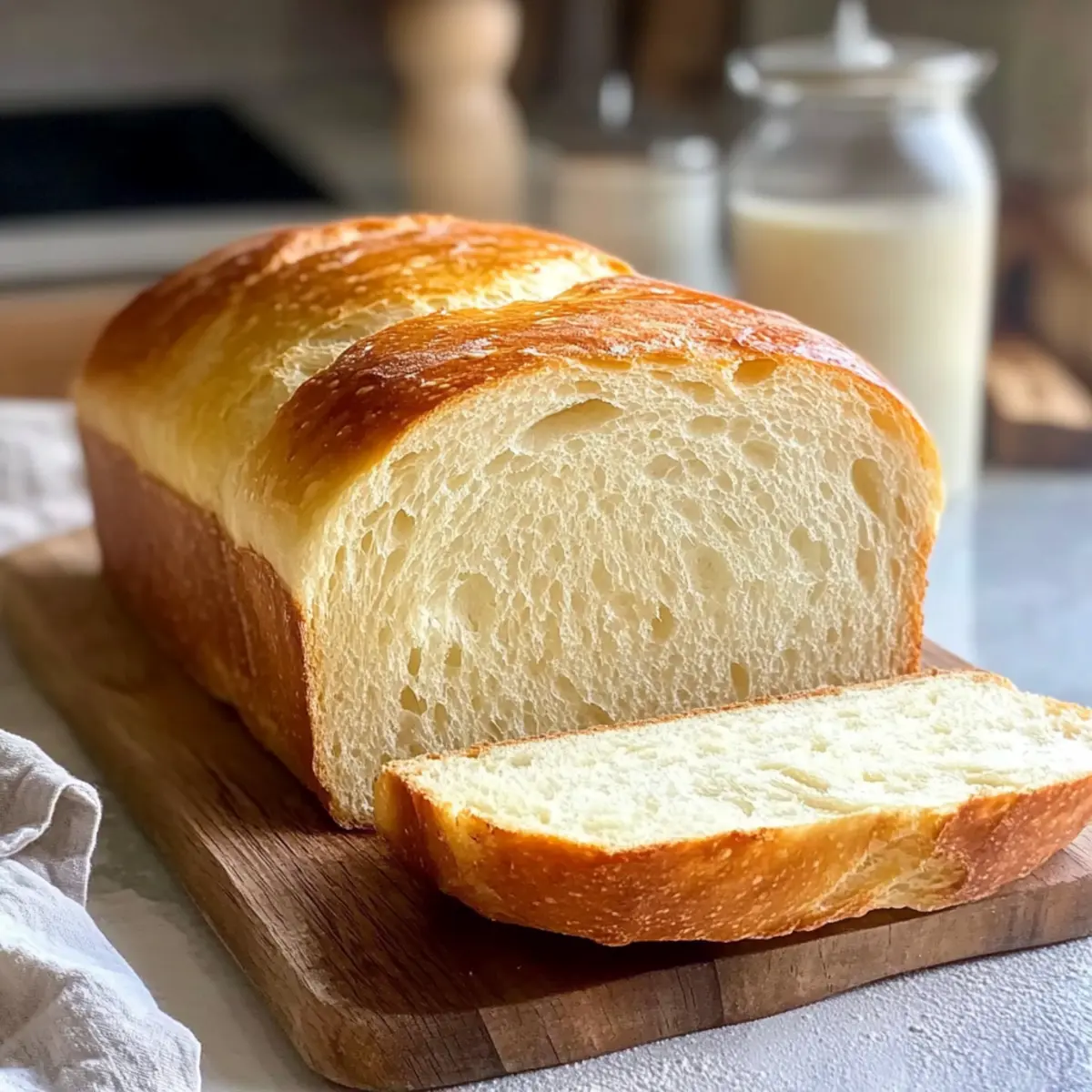
Homemade Bread That Freezes Perfectly and Tastes Divine
Ingredients
Equipment
Method
- Proof Yeast: Combine 2 ¼ teaspoons active dry yeast, 1 cup warm water, and a pinch of sugar in a large bowl. Let sit for 5-10 minutes until foamy.
- Mix Ingredients: Once frothy, add 2 tablespoons sugar, 2 teaspoons salt, and 2 tablespoons oil. Gradually stir in 3 cups flour, then add the remaining cup slowly until a ball forms.
- Knead Dough: Transfer dough to a floured surface and knead for 4-5 minutes with a mixer or 5-8 minutes by hand until smooth and elastic.
- First Rise: Grease a bowl, place the dough inside, cover with a towel, and let rise in a warm area for about 1.5 hours or until doubled.
- Shape Loaves: Punch down dough, divide into two sections, shape into logs, place in greased pans, and cover with a towel to rise for 45 minutes.
- Preheat Oven: Preheat your oven to 350°F (175°C).
- Bake: Place risen loaves in the oven and bake for 30-33 minutes until golden brown and hollow when tapped.
- Cool: Remove loaves from pans, allow to cool on a wire rack for at least 10 minutes before slicing.
Leave a Reply