
As the enticing aroma of sizzling garlic and ginger fills my kitchen, I can’t help but feel a rush of excitement. Today, I’m diving into a bowl of Spicy Korean Gochujang Beef Noodles, a dish that marries tender beef with spicy gochujang sauce and chewy noodles. This quick 30-minute recipe is perfect for those evenings when you crave something packed with flavor but don’t want to spend hours in the kitchen. Not only is it a delightful way to embrace Korean cuisine, but it’s also highly customizable; you can easily swap in chicken, pork, or even tofu for a personal twist. So, are you ready to spice up your dinner routine and uncover a new family favorite?
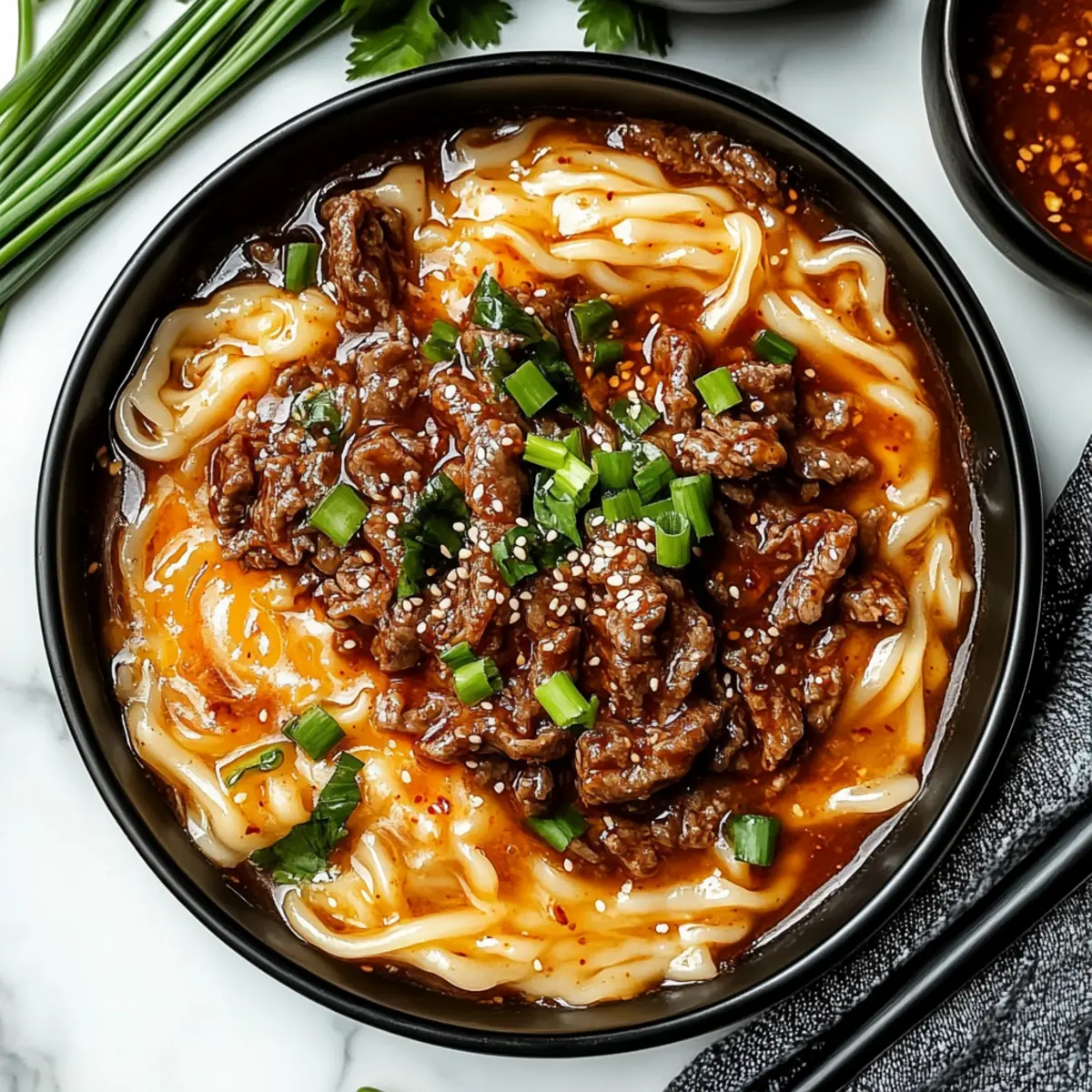
Why Try This Flavorful Dish?
Quick and Easy: This recipe comes together in just 30 minutes, making it perfect for busy weeknights when you’re craving something delicious without the long prep time.
Versatile Options: Whether you prefer beef, chicken, pork, or tofu, you can easily customize your dish to fit everyone’s tastes.
Bold Flavors: The rich blend of gochujang, garlic, and ginger creates a mouthwatering sauce that elevates the simplest ingredients into a culinary delight.
Crowd-Pleaser: With its vibrant colors and scrumptious taste, this dish is sure to impress family and friends alike. Serve it alongside Thai Basil Beef for a great dinner party!
Meal Prep Friendly: Leftovers store well and can be reheated quickly for a tasty lunch the next day. Plus, consider tossing your leftover noodles into a Korean Style Pot for a unique twist!
Spicy Korean Gochujang Beef Noodles Ingredients
For the Beef
- Beef Sirloin – The star of the dish, ensuring tenderness and richness; feel free to swap with chicken, pork, or tofu for different flavors.
For the Sauce
- Gochujang (Korean Chili Paste) – Provides the signature spicy kick and flavor; adjust to match your spice tolerance.
- Soy Sauce – Enhances the umami in the dish; opt for low-sodium if you’re monitoring your salt intake.
- Brown Sugar – Balances the heat of gochujang perfectly; honey or maple syrup can be used as substitutes.
- Rice Vinegar – Adds a refreshing acidity; apple cider vinegar works well too.
- Sesame Oil – Infuses a nutty aroma; you can replace it with olive oil if needed.
For the Vegetables
- Garlic – The aromatic base that deepens flavor; fresh cloves are best for optimal taste.
- Onion – Adds a touch of sweetness and texture; both yellow and red onions are great options.
- Red Bell Pepper – Brightens the dish with color and crunch; swap for any variety of bell peppers you prefer.
For the Noodles and Garnish
- Cooked Noodles – The foundation of the meal; any noodle type will do, from rice noodles to spaghetti.
- Sesame Seeds – A delightful garnish that adds crunch; completely optional but highly recommended.
- Sliced Green Onions – Adds a fresh pop of flavor on top; chives or leeks can also serve as substitutes.
Step‑by‑Step Instructions for Spicy Korean Gochujang Beef Noodles
Step 1: Prep Ingredients
Begin by thinly slicing the beef sirloin into bite-sized pieces, then mince 3–4 cloves of garlic and slice half an onion and a red bell pepper. Cook your choice of noodles according to the package instructions, usually boiling for about 5–7 minutes until tender. This preparation ensures a smooth cooking process as you dive into preparing your Spicy Korean Gochujang Beef Noodles.
Step 2: Heat Oil
In a large skillet or wok, heat 2 tablespoons of vegetable oil over medium-high heat until shimmering. A quick way to test the oil is to splash a bit of water; it should sizzle immediately. This step creates the perfect base for searing the beef, ensuring it gets beautifully browned and flavorful.
Step 3: Cook Beef
Add the sliced beef sirloin to the hot skillet in a single layer. Cook for about 3–4 minutes without stirring, allowing it to sear nicely. Once it’s browned, use tongs to flip the beef and cook for an additional 1–2 minutes until just cooked through. Remove the beef from the skillet and set aside to keep it juicy and tender for your Spicy Korean Gochujang Beef Noodles.
Step 4: Sauté Aromatics
Using the same skillet, lower the heat to medium and add the minced garlic and sliced onion. Sauté for 2–3 minutes until fragrant and the onion becomes slightly translucent. This step infuses the oil with aromatic flavors, complementing the beef and creating a delicious backdrop for the upcoming ingredients.
Step 5: Add Vegetables
Stir in the sliced red bell pepper and cook for another 2-3 minutes until it softens slightly but maintains some crunch. This added texture and color enhance the presentation and taste of your Spicy Korean Gochujang Beef Noodles, balancing the dish beautifully.
Step 6: Make Sauce
In a small bowl, combine 2 tablespoons of soy sauce, 1 tablespoon of brown sugar, 2 tablespoons of gochujang, 1 teaspoon of sesame oil, and 1 tablespoon of rice vinegar. Whisk the mixture until smooth, ensuring the sugar dissolves completely. This sauce will create the rich, spicy coating for your noodles and vegetables.
Step 7: Combine
Pour the sauce mixture over the sautéed vegetables in the skillet, stirring well to coat everything evenly. Allow it to bubble for about 1–2 minutes, letting the flavors meld together. This step ensures every bite of your Spicy Korean Gochujang Beef Noodles packs a flavorful punch.
Step 8: Return Beef
Add the cooked beef back into the skillet, tossing it with the vegetables and sauce for about 1 minute. Make sure the beef is well coated and heated through. The warming process allows the beef to absorb some of the sauce, enhancing its flavor as it melds into the dish.
Step 9: Incorporate Noodles
Add the drained cooked noodles directly into the skillet, mixing everything together until the noodles are thoroughly coated in the delicious sauce. Cook for an additional 2 minutes over medium heat, allowing the noodles to absorb flavors while heating through. This ensures your Spicy Korean Gochujang Beef Noodles are rich and satisfying.
Step 10: Garnish and Serve
Finally, garnish your Spicy Korean Gochujang Beef Noodles with a sprinkle of sesame seeds and sliced green onions before serving. Let the dish sit for a minute before plating to allow the flavors to settle beautifully. Serve hot and enjoy the vibrant flavors that will leave you coming back for more!
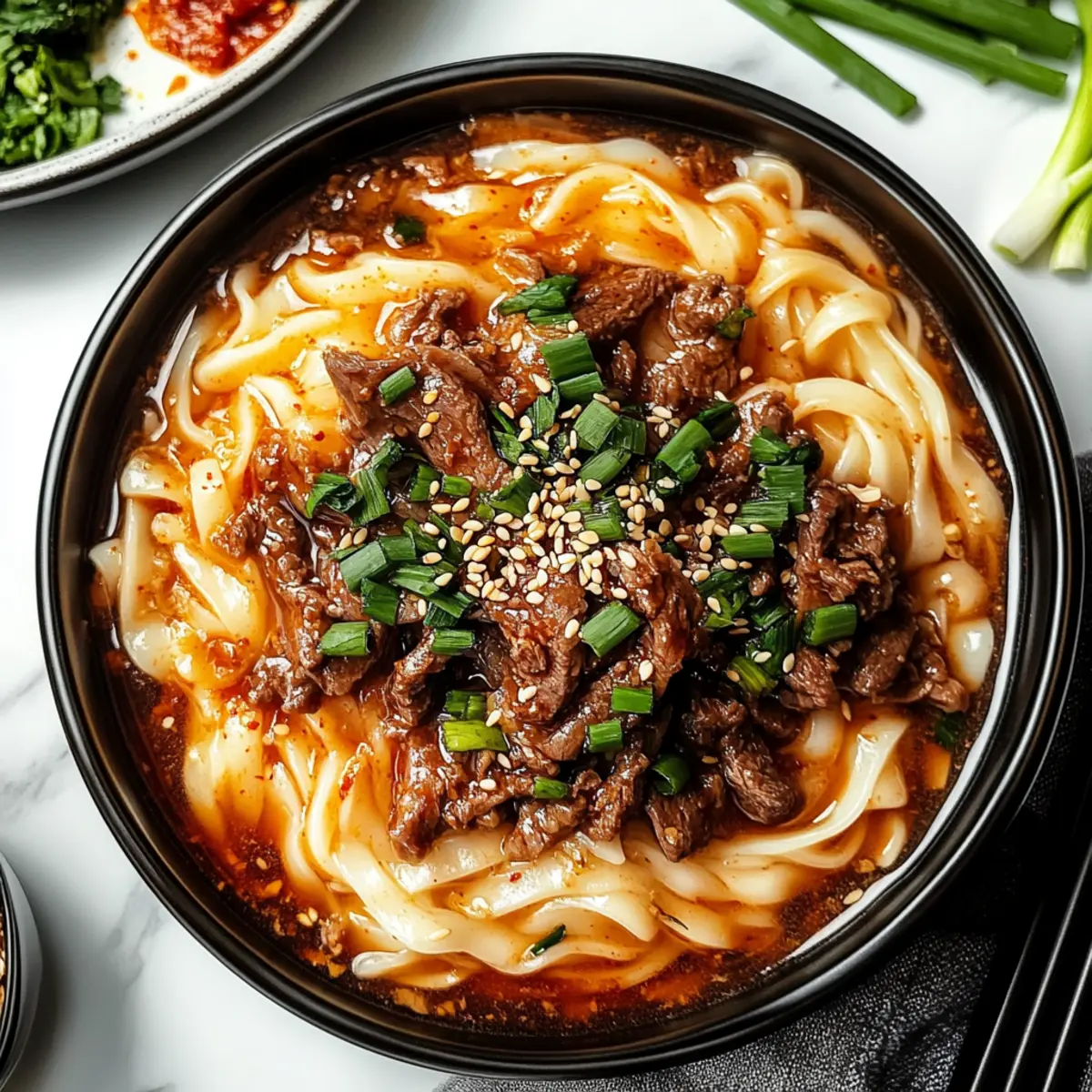
Spicy Korean Gochujang Beef Noodles Variations
Feel free to unleash your creativity and customize your Spicy Korean Gochujang Beef Noodles to suit your taste buds!
- Chicken Swap: Substitute beef with sliced chicken breast for a lighter option. This twist still keeps the dish wonderfully flavorful!
- Pork Perfection: Use thinly sliced pork tenderloin for a different twist, enhancing the richness of this delicious meal.
- Tofu Delight: For a plant-based change, swap beef with firm tofu, marinated in soy sauce for extra flavor before adding to the stir-fry.
- Add Greens: Toss in some spinach or kale during the last minute of cooking for added nutrition and a vibrant touch.
- Mushroom Magic: Incorporate shiitake or portobello mushrooms to add a unique texture and umami depth to the dish.
- Spicy Gochugaru: Boost the heat without overwhelming intensity by sprinkling in some gochugaru (Korean chili flakes) for extra flavor and color.
- Lemon Zest: Add a squeeze of fresh lemon or lime juice just before serving to brighten up the flavors, giving it a refreshing finish!
- Leftover Remix: Turn any leftovers into a zesty cold noodle salad by tossing them with sesame oil and fresh veggies. It’s a delicious way to reinvent your meal!
These variations are bound to spark joy and adventure in your cooking! And if you’re looking to explore more spicy dishes, don’t miss out on our Gochujang Pasta Spices or savor some delightful Thai Basil Beef!
What to Serve with Spicy Korean Gochujang Beef Noodles
When savoring the bold, spicy goodness of your beef noodles, consider these delightful pairings to create a complete and satisfying meal.
- Kimchi: This traditional Korean side brings tang and crunch, balancing the noodles’ spice beautifully. It’s a match made in culinary heaven!
- Steamed Bok Choy: Lightly steamed bok choy adds a refreshing green element, brightening your plate with both taste and texture.
- Cucumber Salad: Cool and crunchy, a simple cucumber salad tossed in sesame oil and vinegar enhances the flavors while offering a refreshing contrast.
- Spicy Tofu Bites: For an extra bite, crispy spicy tofu made with gochujang introduces an exciting texture and flavor synergy with the noodles.
- Garlic Bread: For a fun twist, serve with garlic bread; the buttery, garlicky goodness makes for a delightful dipping companion.
- Herbal Tea: For a soothing drink, try a light herbal tea with lemon that cleanses the palate, balancing the dish’s heat effectively.
- Mango Sticky Rice: Finish your meal on a sweet note with mango sticky rice, providing a luscious, creamy contrast to the spicy noodles.
- Pickled Radishes: The crispness and tang of pickled radishes elevate your dining experience, complementing the noodles’ flavors while lending a refreshing crunch.
Expert Tips for Spicy Korean Gochujang Beef Noodles
- Quality Beef: Use fresh beef sirloin for the best texture and flavor. Avoid overcooking to maintain tenderness in your Spicy Korean Gochujang Beef Noodles.
- Adjust Spice Levels: If you’re sensitive to heat, start with less gochujang and taste as you go. You can add more gradually to find your perfect balance.
- Vegetable Substitutions: Feel free to swap in seasonal vegetables like broccoli or snap peas for added nutrients without losing the essence of the dish.
- Noodle Options: Any noodle works, but egg noodles or udon provide a delightful chewiness that complements the richness of the sauce.
- Batch Cooking: Consider making a larger batch to enjoy throughout the week. Leftovers are great for a quick lunch or a homemade takeout dinner!
- Visual Cues: Watch for beef browning and vegetables softening; these are indicators to progress through the cooking steps for perfect results.
How to Store and Freeze Spicy Korean Gochujang Beef Noodles
Fridge: Store leftover Spicy Korean Gochujang Beef Noodles in an airtight container for up to 4 days. Allow them to cool completely before sealing to maintain freshness.
Freezer: For longer storage, freeze the noodles in portions for up to 2 months. Use freezer-safe containers to prevent freezer burn.
Reheating: To reheat, thaw overnight in the fridge and warm in a skillet or microwave until heated through. Add a splash of water or soy sauce if noodles seem dry.
Make Ahead Options
These Spicy Korean Gochujang Beef Noodles are perfect for meal prep enthusiasts! You can slice the beef, mince the garlic, and chop the vegetables up to 24 hours in advance, storing them separately in airtight containers in the refrigerator to maintain freshness and prevent browning. For added efficiency, you can also cook the noodles ahead of time, letting them cool completely before refrigerating. When you’re ready to serve, simply sauté the aromatics and vegetables, add the prepared sauce and beef, and incorporate the noodles for a quick finish. With these steps, you’ll enjoy a delicious homemade meal with minimal effort on busy weeknights!
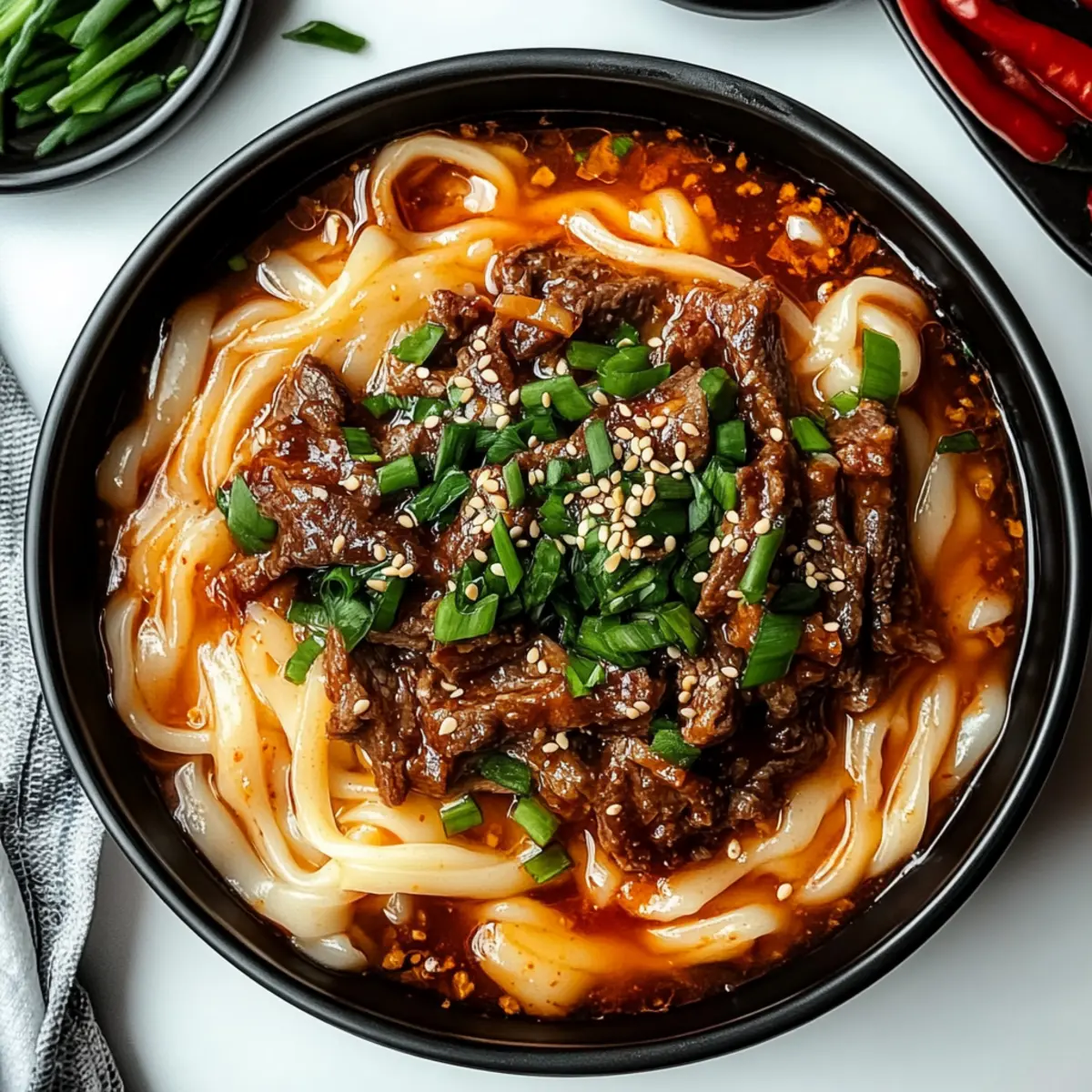
Spicy Korean Gochujang Beef Noodles Recipe FAQs
What type of beef is best for this recipe?
Absolutely! For the best flavor and tenderness, I recommend using beef sirloin. It sears beautifully and stays juicy throughout the cooking process. If you prefer other proteins, chicken, pork, or even tofu work wonderfully as substitutes.
How should I store leftovers?
Very! To keep your Spicy Korean Gochujang Beef Noodles fresh, allow them to cool and then transfer them to an airtight container. They will last in the fridge for about 3-4 days. If you want to save them for later, you can freeze them in portions for up to 2 months.
Can I freeze the cooked noodles and sauce together?
Absolutely! To freeze your Spicy Korean Gochujang Beef Noodles, divide them into portions and place them in freezer-safe containers. Make sure to let them cool completely before sealing them up to avoid freezer burn. When you’re ready to enjoy, just thaw overnight in the fridge and reheat in a skillet, adding a splash of water if needed.
What if my sauce is too spicy?
Not a problem! If you find the gochujang sauce a bit too fiery for your taste, you can easily mellow the heat. Start by adding more brown sugar to balance the flavors or incorporate a splash of coconut milk for creaminess. Another great trick is to mix in more sautéed vegetables to dilute the spice!
Are there any dietary substitutions I should consider?
Very much so! If you’re cooking for someone with gluten sensitivity, look for gluten-free soy sauce or tamari instead. For a vegan option, simply swap the beef for tofu and ensure the gochujang used is free of animal products. Always check labels for allergens such as sesame, especially if serving to guests with allergies.
How long does it take to prep the ingredients?
Typically, you should allow about 10-15 minutes to prep your ingredients. This includes slicing the beef, mincing garlic, and chopping your vegetables. Prepping ahead of time makes the cooking process smooth and enjoyable, ensuring you can savor your delicious Spicy Korean Gochujang Beef Noodles without any rush!
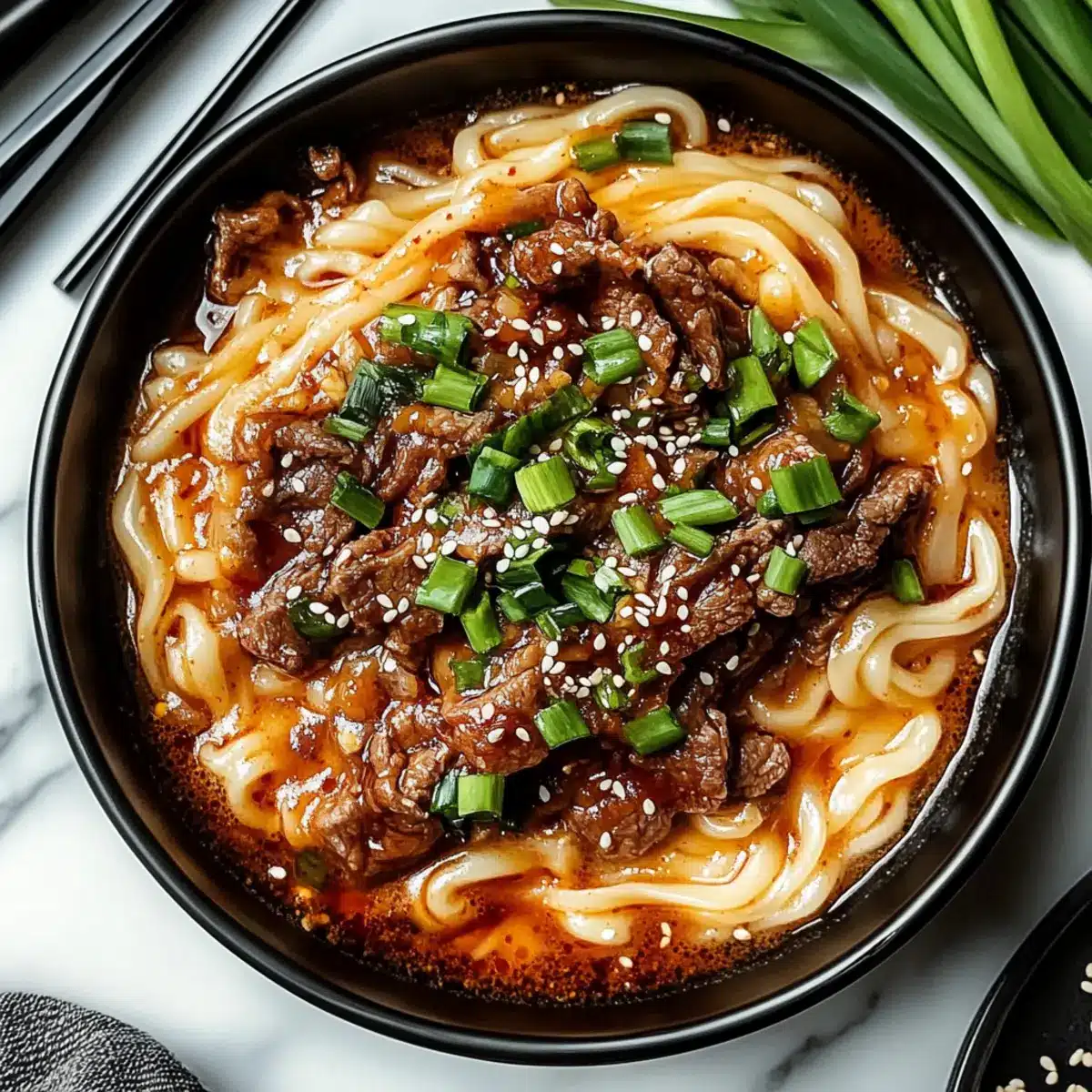
Spicy Korean Gochujang Beef Noodles for a Flavor Adventure
Ingredients
Equipment
Method
- Begin by thinly slicing the beef sirloin into bite-sized pieces, then mince garlic and slice onion and red bell pepper. Cook noodles according to package instructions.
- In a large skillet, heat vegetable oil over medium-high heat until shimmering. Test with a splash of water; it should sizzle.
- Add sliced beef sirloin to the skillet in a single layer. Cook for about 3-4 minutes without stirring, then flip and cook for an additional 1-2 minutes. Remove beef from skillet.
- Lower heat and add minced garlic and onion. Sauté for 2-3 minutes until fragrant and onion is translucent.
- Stir in sliced red bell pepper and cook for another 2-3 minutes until softened but crunchy.
- In a small bowl, combine soy sauce, brown sugar, gochujang, sesame oil, and rice vinegar. Whisk until smooth.
- Pour sauce mixture over sautéed vegetables and allow to bubble for 1-2 minutes.
- Return cooked beef to the skillet and toss with vegetables and sauce for about 1 minute.
- Add drained cooked noodles, mixing until thoroughly coated. Cook for an additional 2 minutes over medium heat.
- Garnish with sesame seeds and sliced green onions before serving. Enjoy hot!
Leave a Reply